1. What are the most common home remodeling projects in Milwaukee?
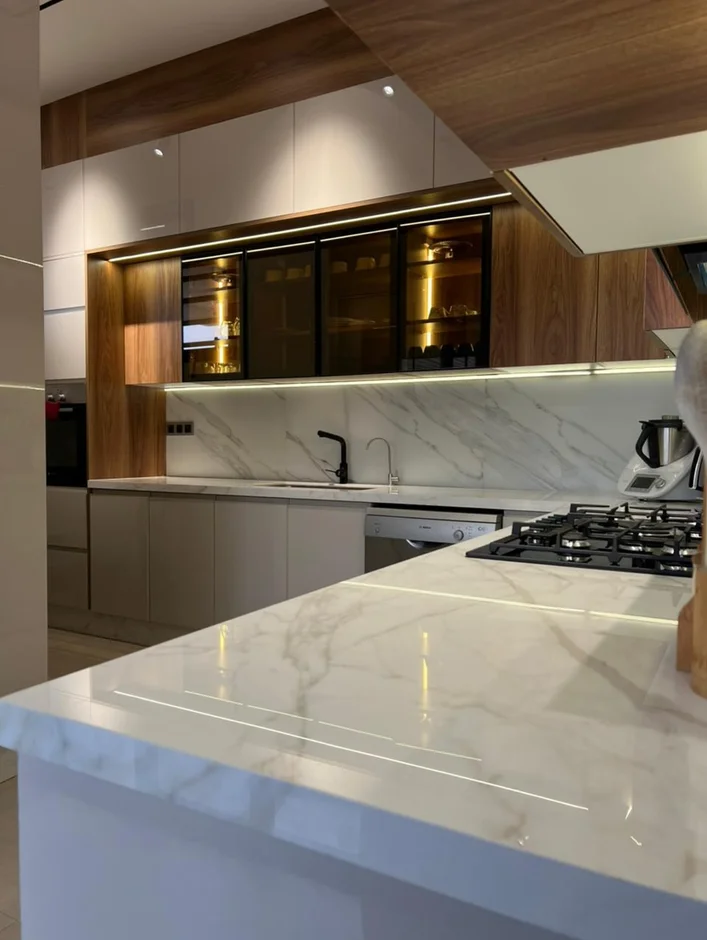
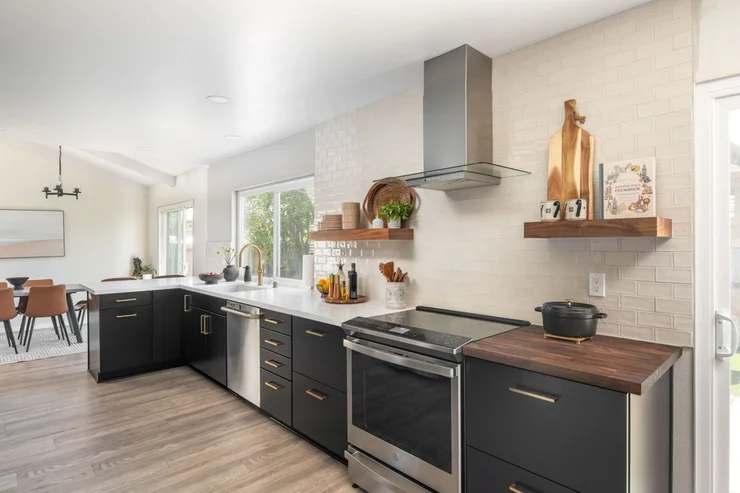
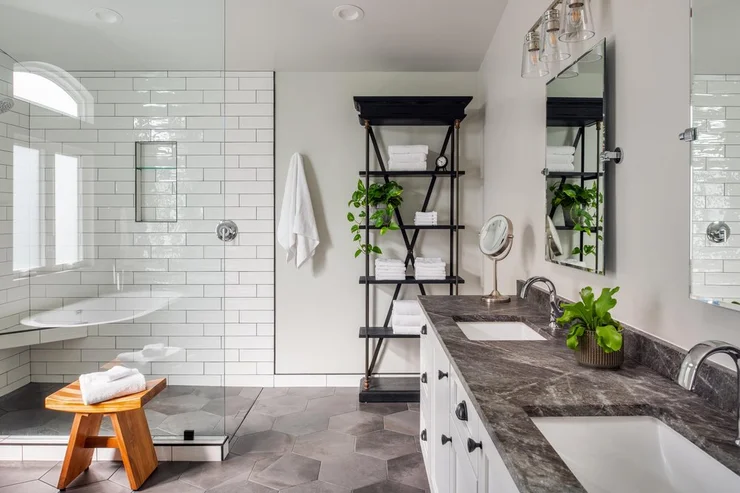
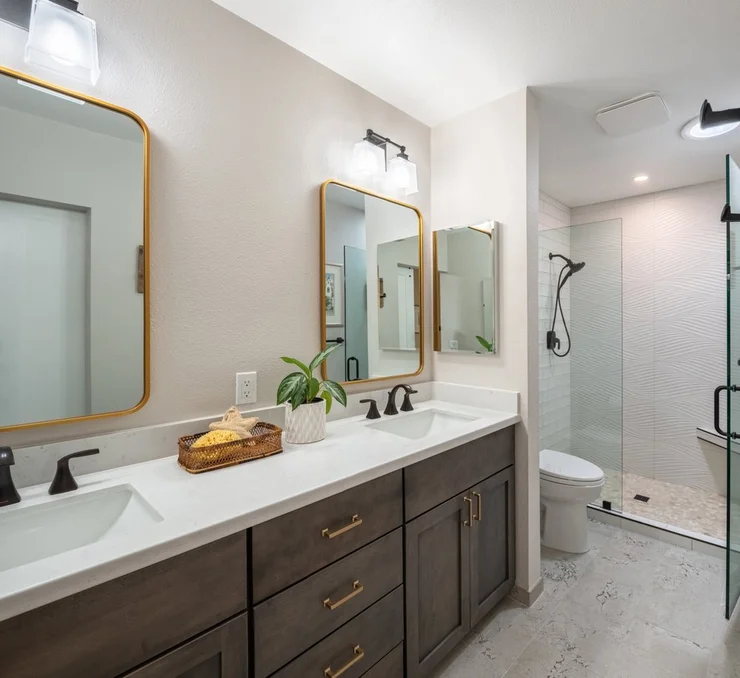
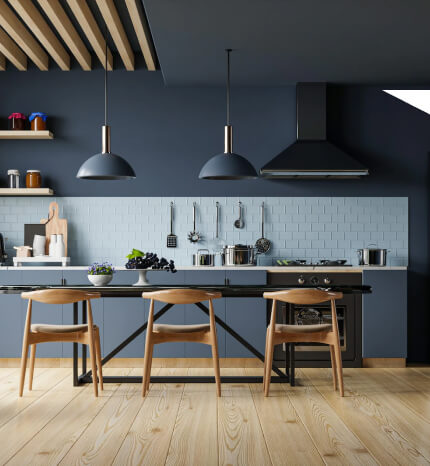
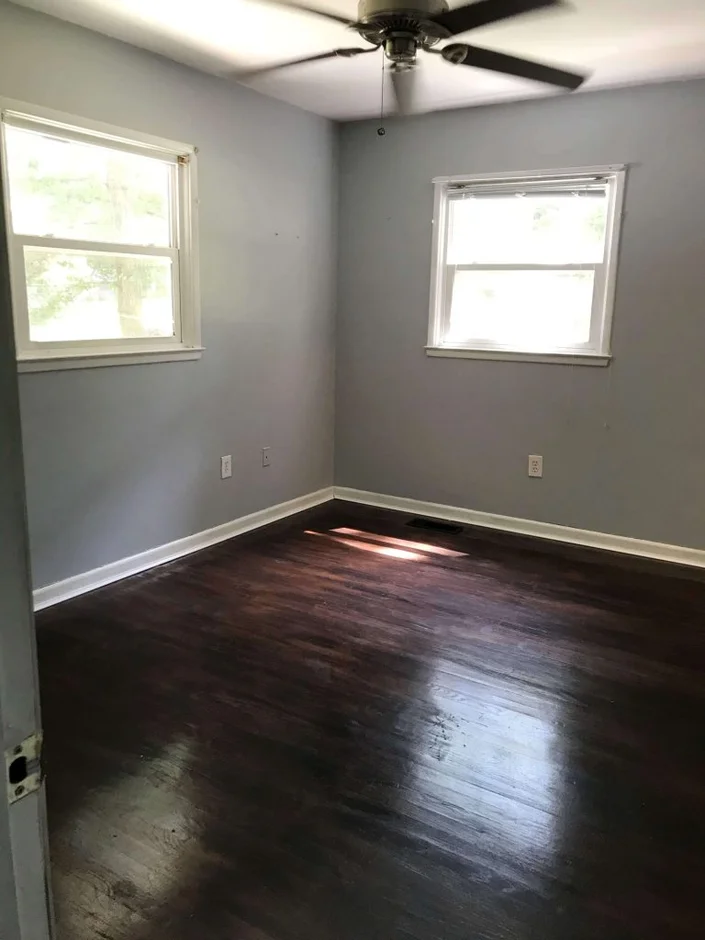
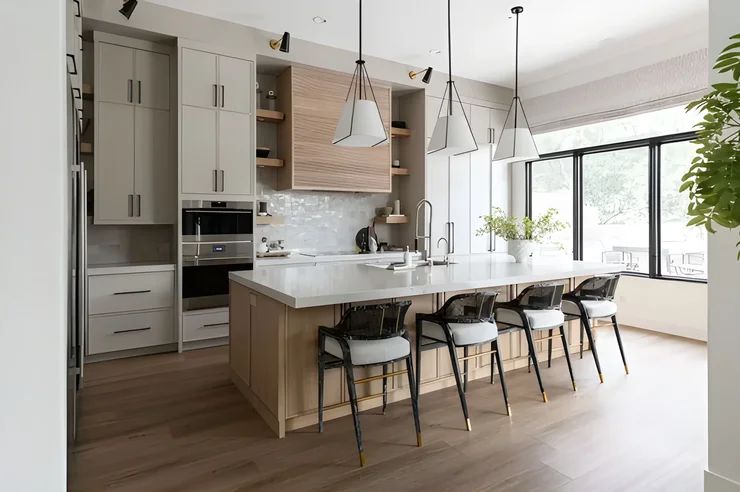
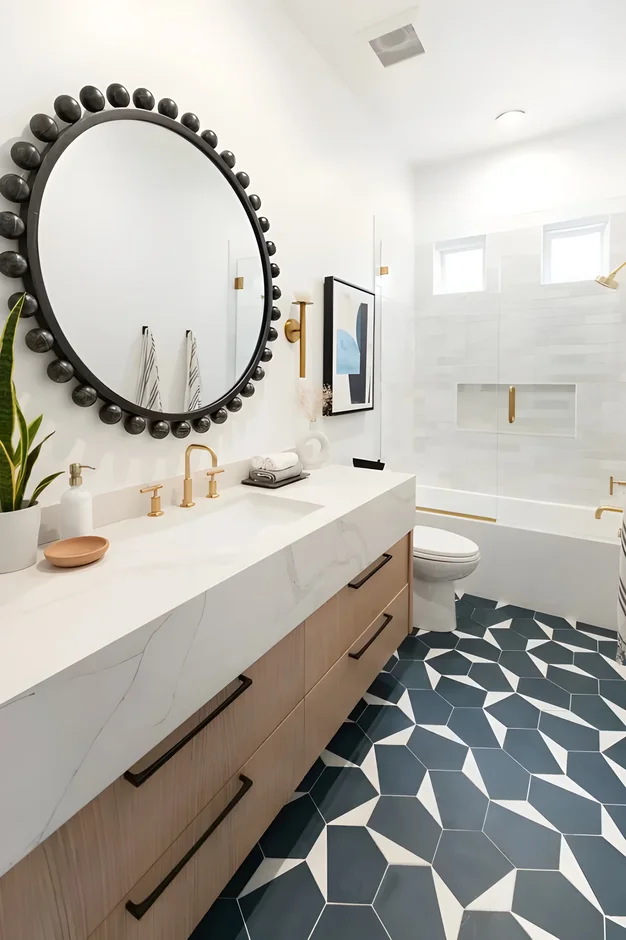
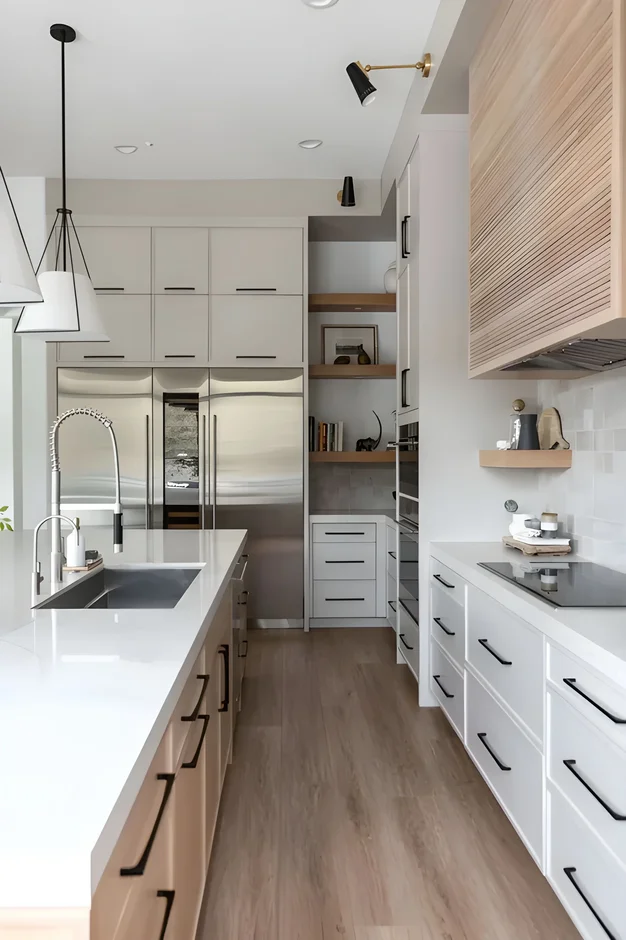
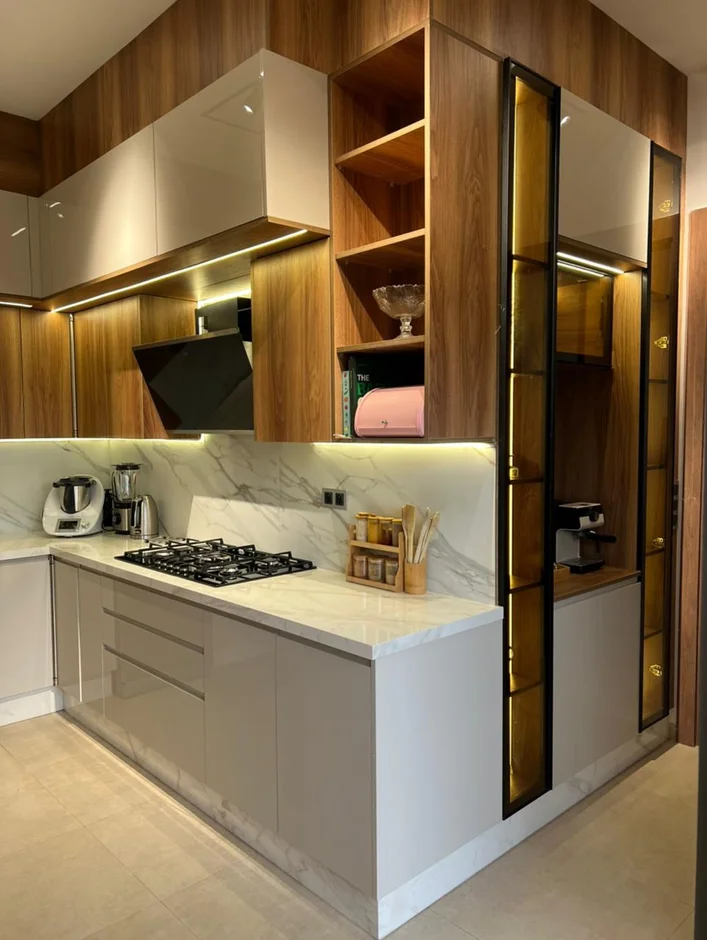
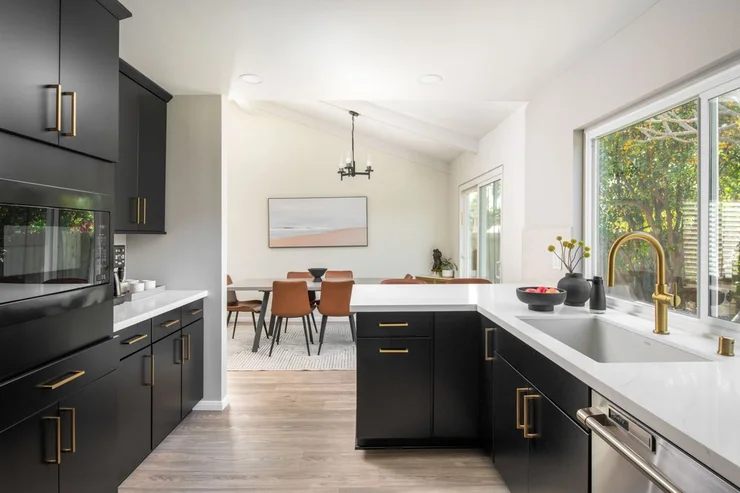
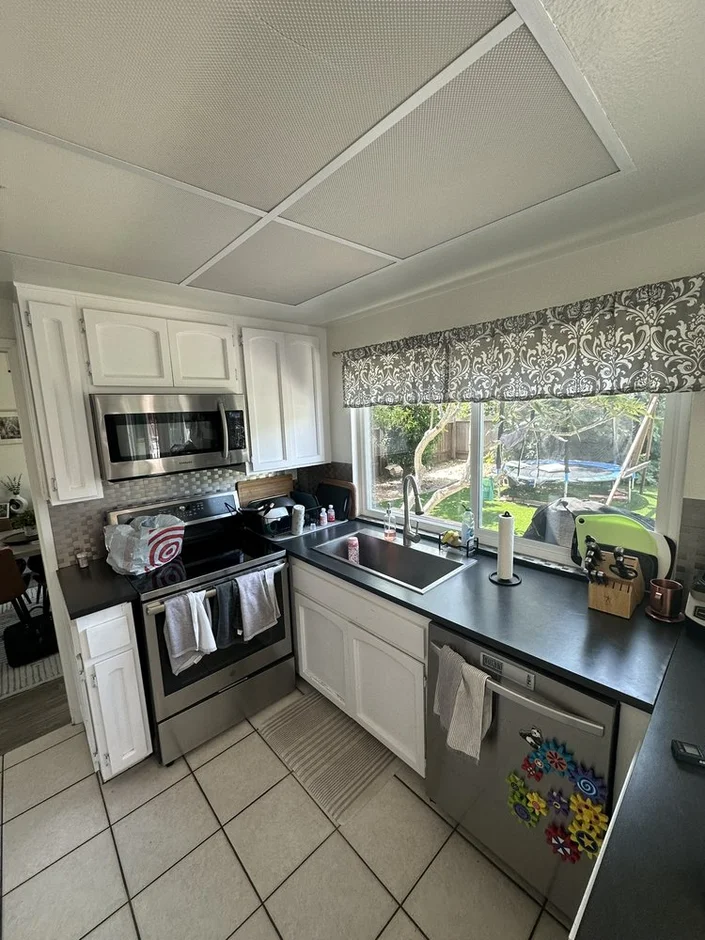
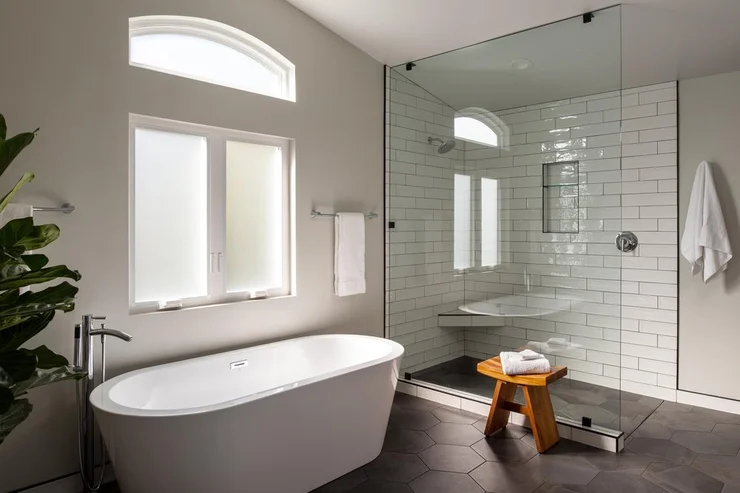
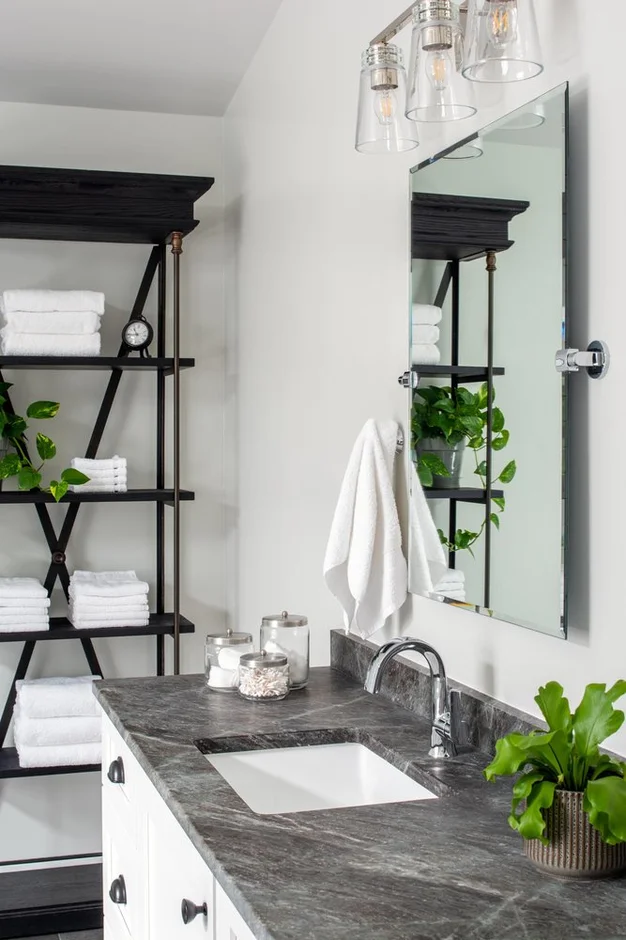
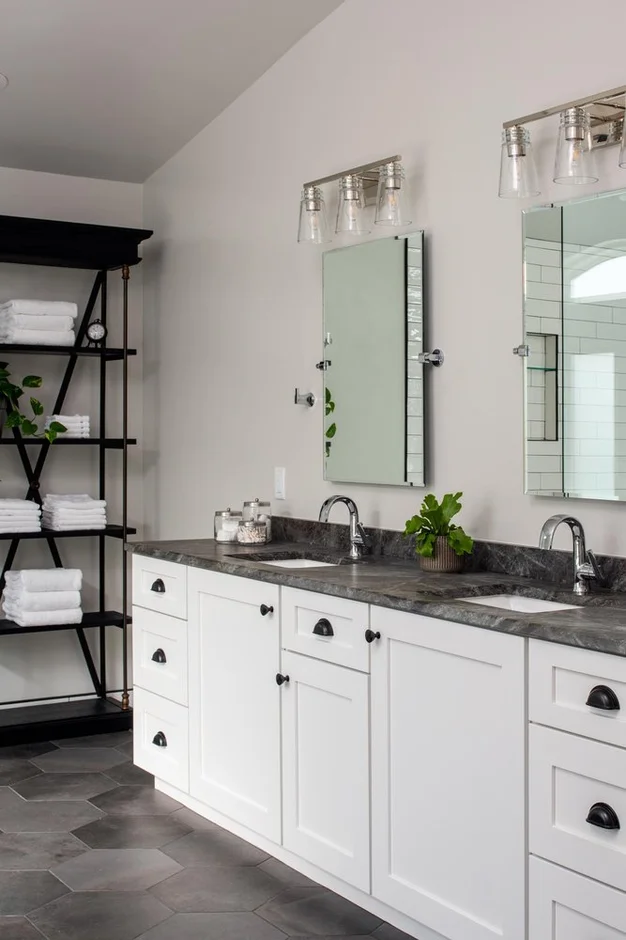
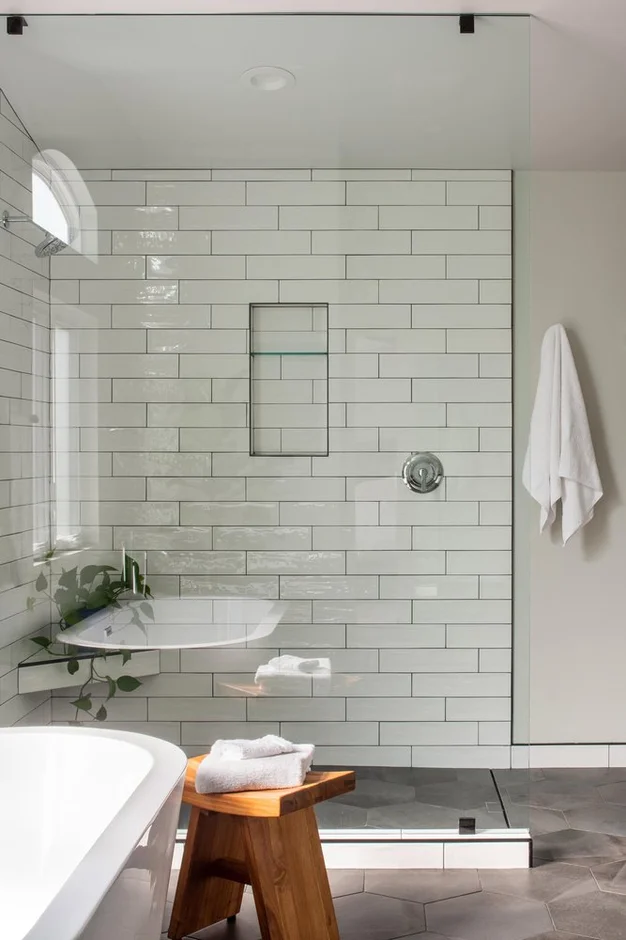
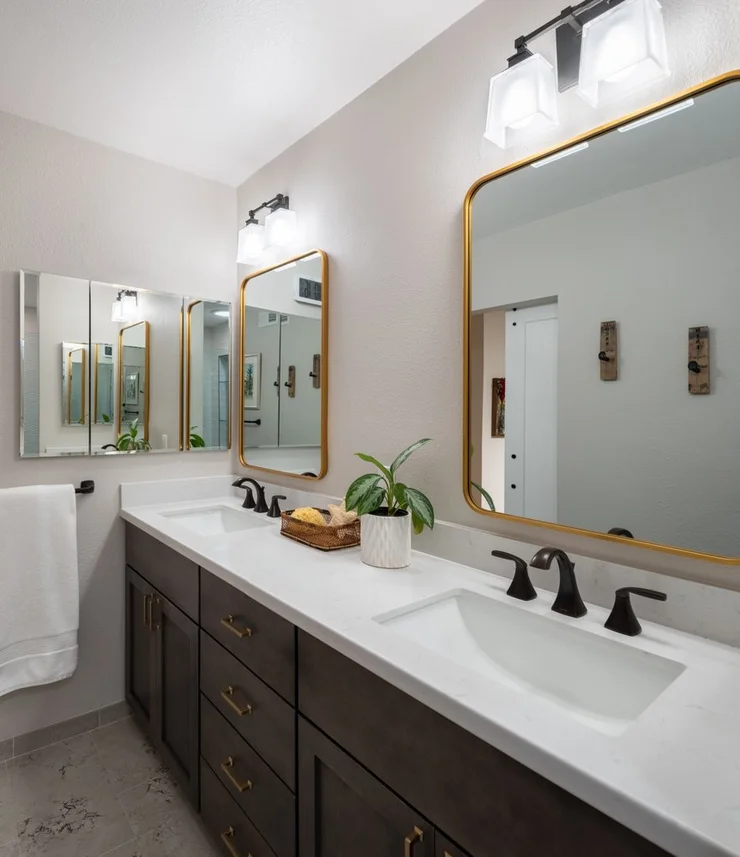
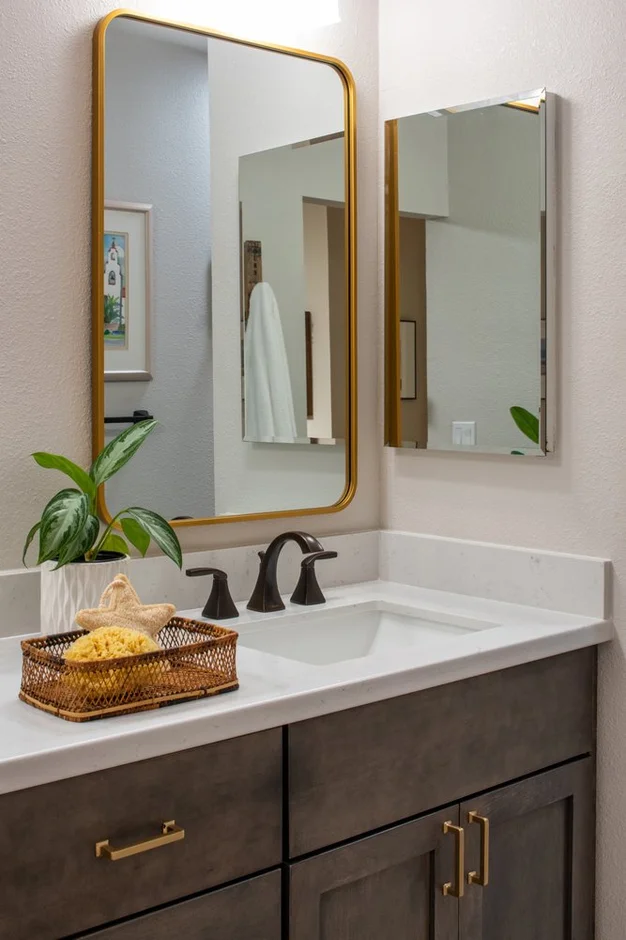
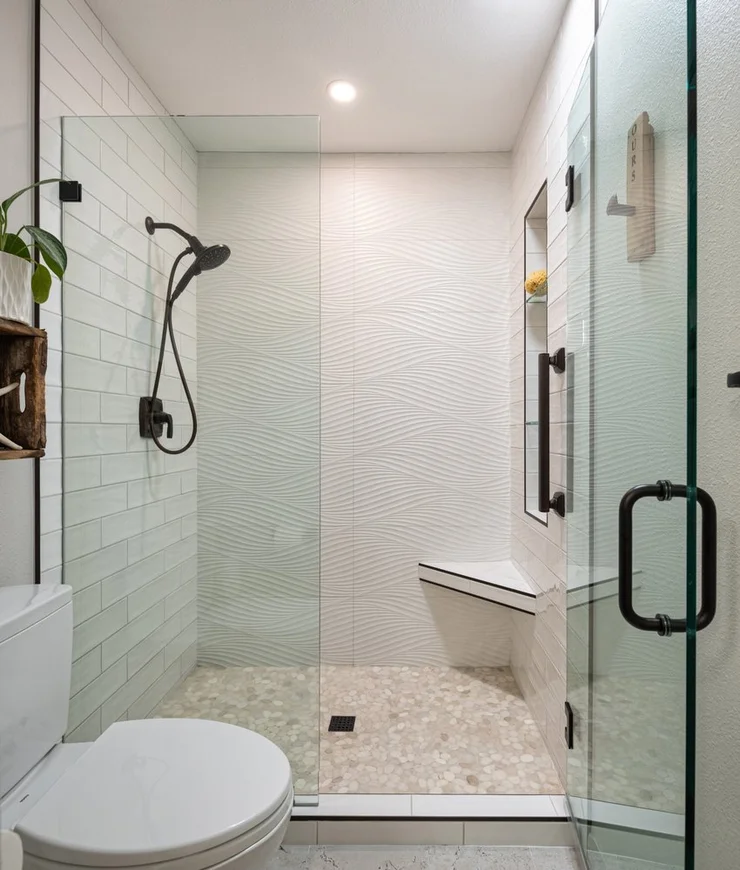
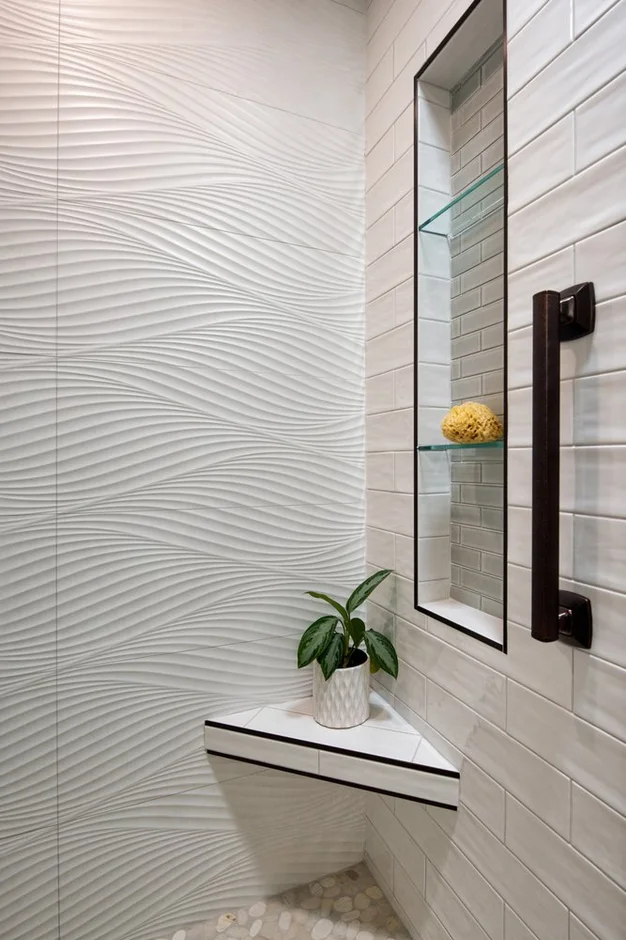
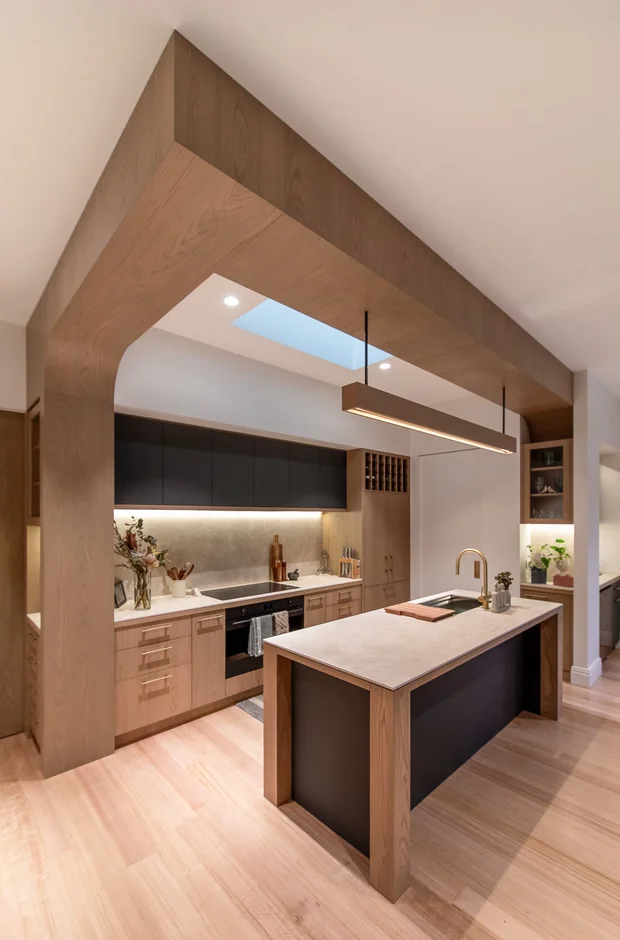
The most common projects include kitchen remodeling, bathroom updates, basement finishing, and exterior improvements such as roofing, siding, and window replacement. Remodeling often focuses on improving layout, updating materials, and making better use of existing space rather than starting from scratch.
2. How do I know which type of remodeling project I need?
Start by identifying the main problem, what is not working in your home and matching it to the right service. If the issue is limited to one room, a focused remodel may be enough. If multiple areas feel outdated or disconnected, a whole-home remodeling approach may be more effective.
3. Is basement remodeling worth it in Milwaukee?
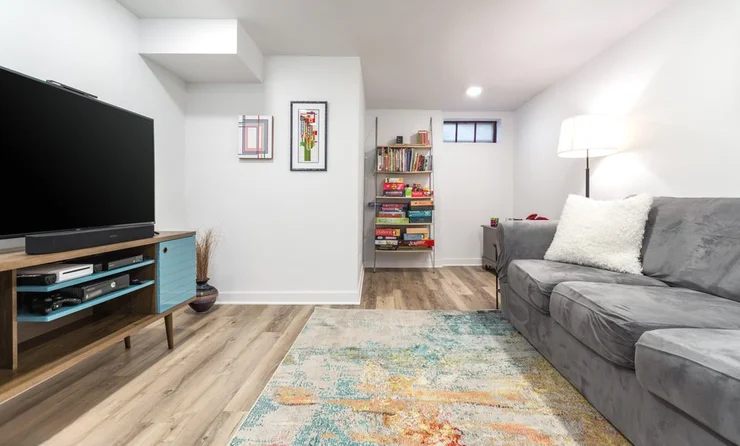
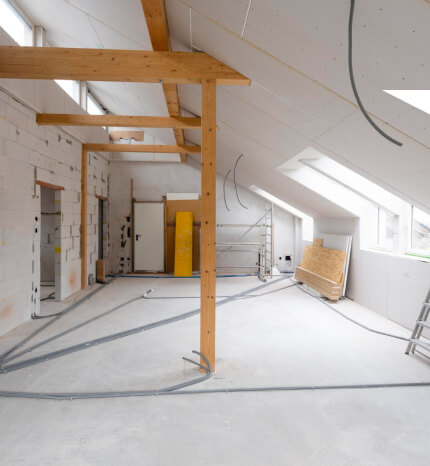
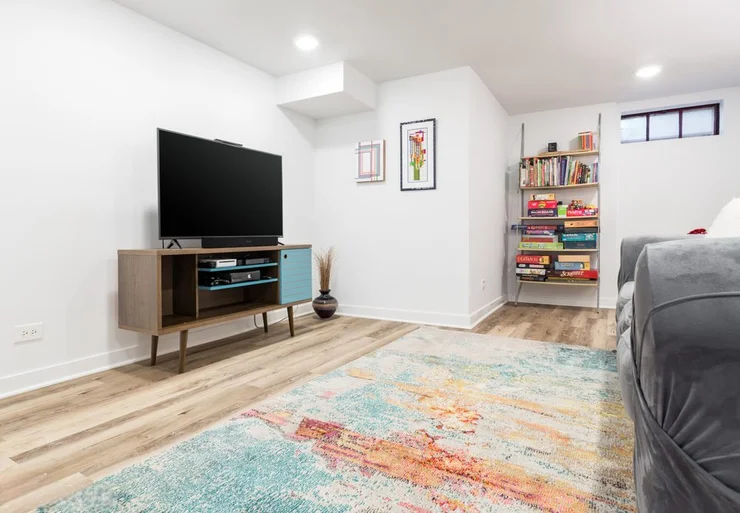
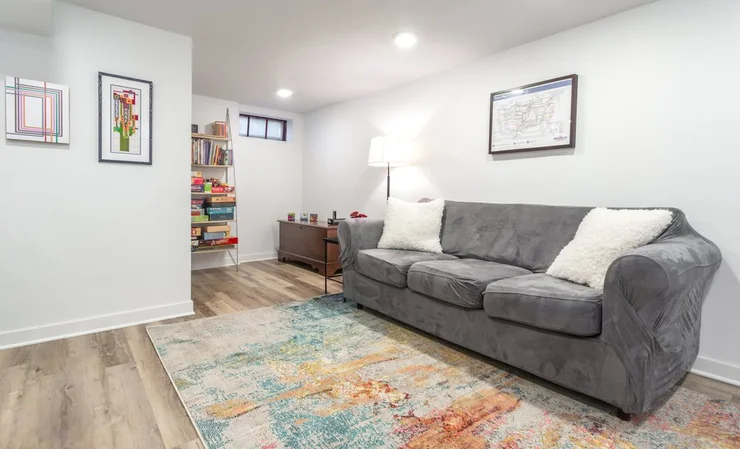
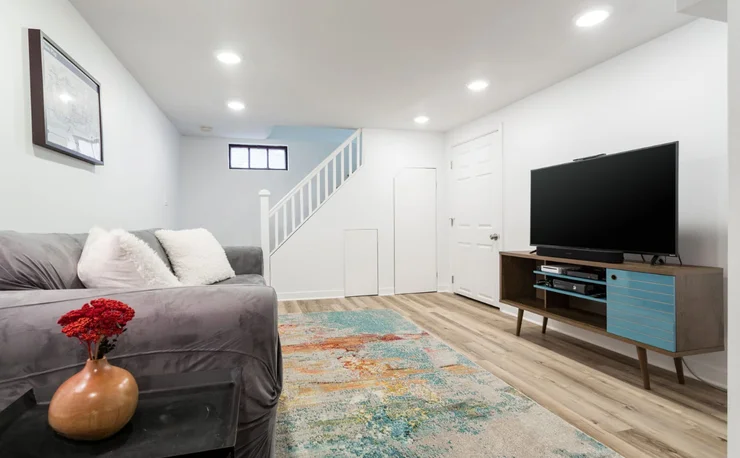
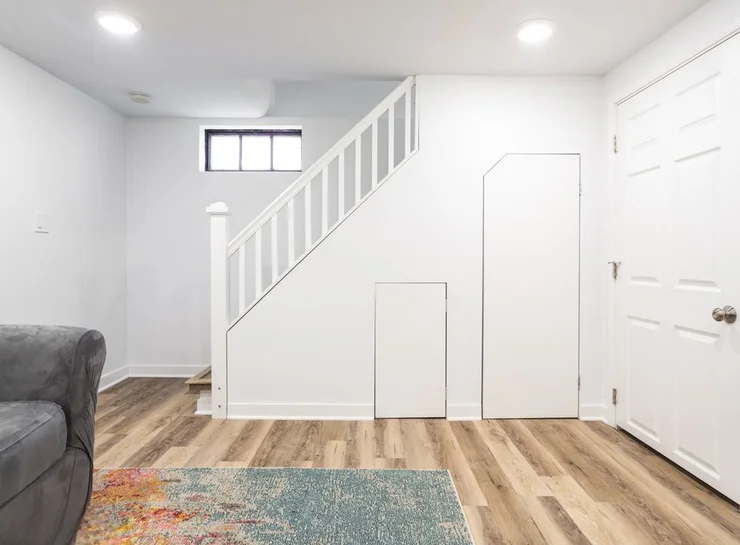
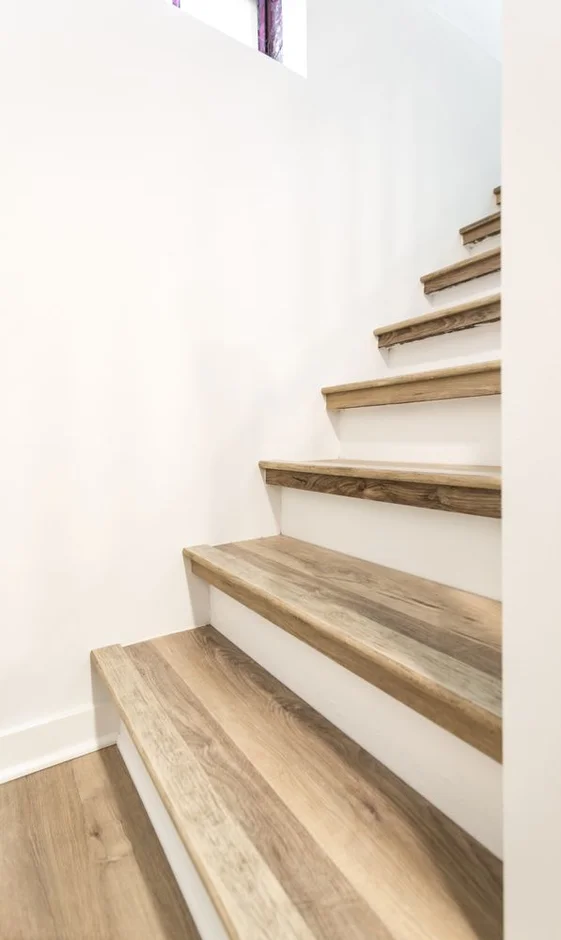
Yes, it adds usable space without expanding the footprint. Basements are common and often underused, making them one of the most practical ways to add usable living space without expanding the home. A finished basement can be used for a family room, workspace, or flexible living area, helping reduce pressure on upper floors.
4. What is included in a full home remodel?
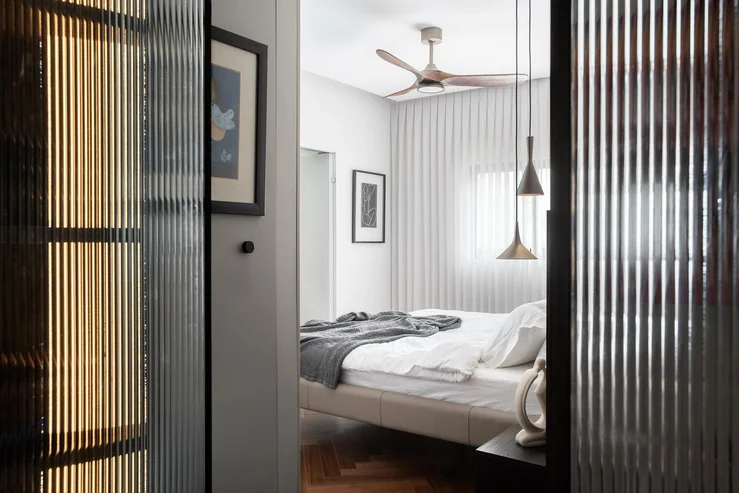
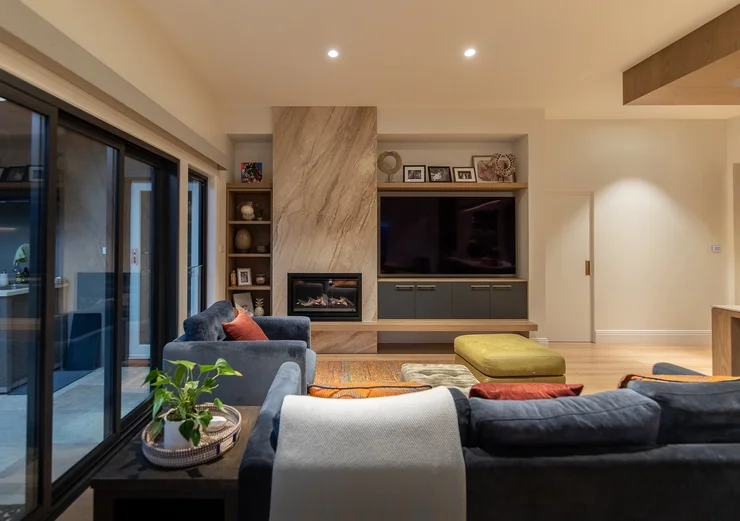
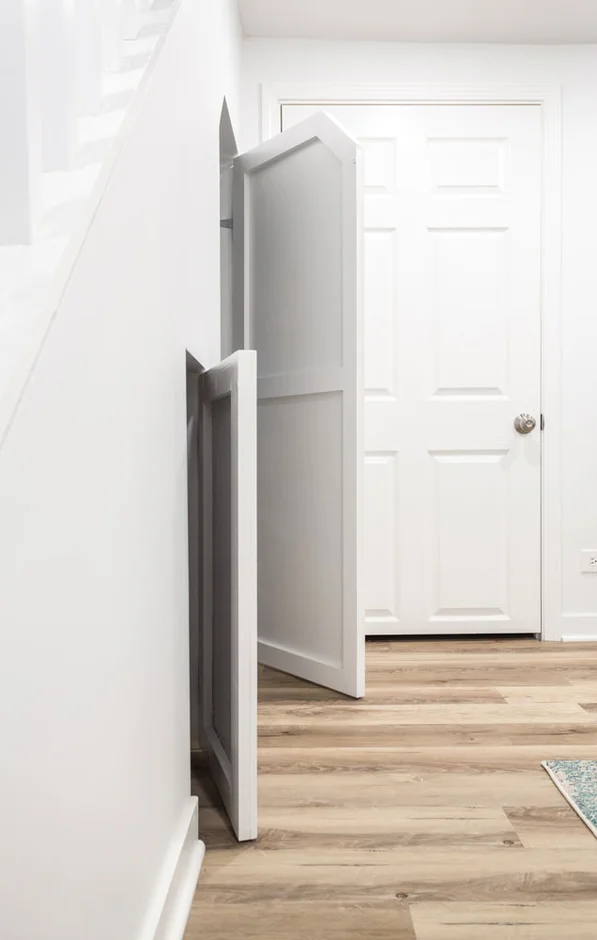
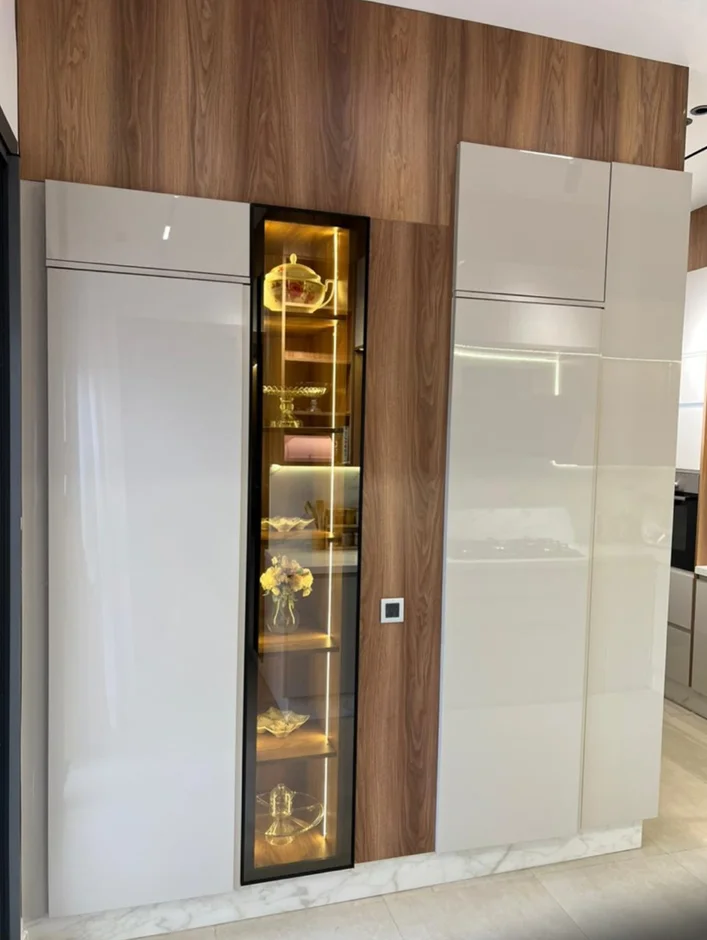
A full home remodel typically involves updates across multiple rooms and may include layout changes, updated finishes, improved storage, and better flow between spaces. In Milwaukee homes, this often means addressing outdated layouts and creating a more cohesive interior rather than treating each room separately.
5. How long does a remodeling project usually take?
Project timelines vary depending on scope and complexity. A single-room remodel may take a few weeks, while larger renovations involving multiple areas can take several months. Clear planning at the beginning helps avoid delays and keeps the project moving more efficiently.
6. Do I need permits for home remodeling in Milwaukee?
Many remodeling projects require permits, especially when structural changes, electrical work, or plumbing updates are involved. Requirements depend on the type of project and local regulations. It’s important to understand permit needs early to avoid complications during construction.
7. What factors affect the cost of remodeling the most?
The main cost drivers include project scope, material selection, and whether layout or structural changes are required. Larger renovations that involve multiple rooms or major updates typically require more coordination and planning, which can affect overall cost.
8. Can I remodel my home in stages instead of all at once?
Yes, many homeowners choose to complete projects in phases. This approach can help manage budget and timing, especially when multiple areas need improvement. However, it is important to plan the full scope early so that future phases align with the overall design.
9. Why is exterior remodeling important in Milwaukee?
Milwaukee’s climate includes cold winters, snow, and temperature fluctuations, which can affect roofing, siding, and windows over time. Exterior remodeling helps protect the home, improve insulation, and maintain long-term durability, making it an important part of overall home improvement.
10. Should I hire professional remodeling contractors?
Working with remodeling contractors in Milwaukee helps ensure the project is planned and executed properly. Professionals bring experience with layout challenges, material coordination, and construction processes, which reduces the risk of costly mistakes and improves overall results.
11. What is the first step in starting a remodeling project?
The first step is clearly defining what you want to improve. Understanding the problem—whether it’s layout, storage, or outdated features—makes it easier to determine the right type of project and move forward with a clear plan.
12. Can older Milwaukee homes be modernized effectively?
Yes, many older homes can be significantly improved through remodeling. Updating layouts, improving storage, and modernizing key areas like kitchens and bathrooms can make the home more functional while maintaining its original character.
13. What types of remodeling projects add the most value?
Projects that improve functionality—such as kitchen remodeling, bathroom updates, and better use of space—often provide the most long-term value. Improvements that enhance everyday usability tend to have a greater impact than purely cosmetic changes.
14. How can I avoid common remodeling mistakes?
The most effective way to avoid issues is to start with a clear plan. Defining goals, understanding the scope, and working with experienced professionals helps reduce confusion and prevents decisions that may not align with the overall project.
15. Is remodeling better than moving to a new home?
For many homeowners, remodeling is a practical alternative to moving. It allows you to improve your current space while staying in the same location. When planned properly, remodeling can address the main issues without the cost and disruption of relocating.


 Online














 10+ days